
Let us cast a glance toward the technical realities of age verification, because if you look closely, this is where the government’s rhetoric about "protecting the children" falls apart. It all sounds so simple and harmless, just prove you're over 16, right? They forgot to tell you that proving age means proving identity. The two are inseparable. Every method requires you to hand over documents that contain far more than just your date of birth. The government claims platforms can use "privacy-preserving methods." This is an intentionally vague and ambiguous term designed to mislead you, also known as a "weasel word." Governments are big fans of these. The term covers up the inconvenient truth that every age verification system currently in use collects and stores your identity documents, biometric data, or both.
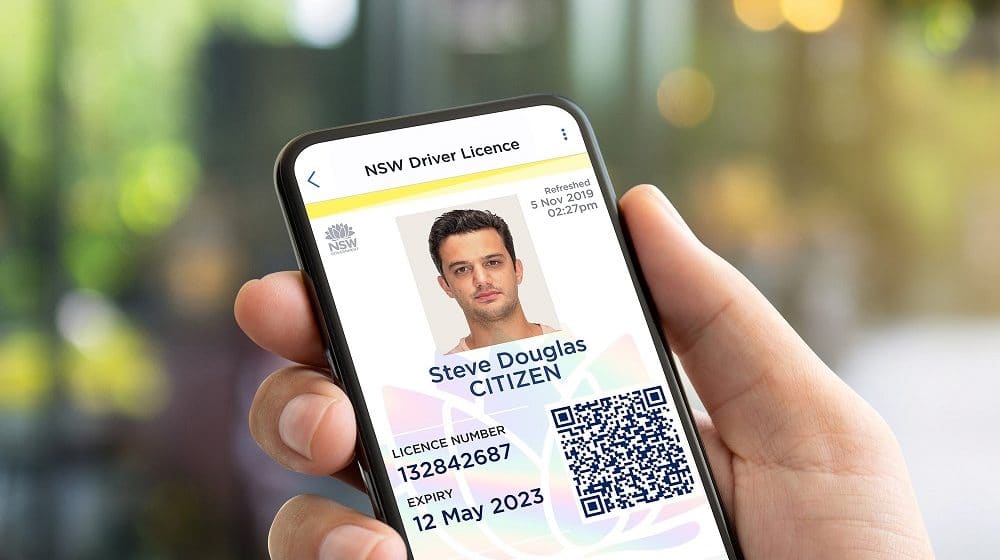
Consider the driver’s licence method. You upload a photo of your licence and the verification company gets their hands on your full name, date of birth, address, licence number and facial photograph. This information is matched against government databases to confirm its authenticity. The promise is to delete it after verification. Do you believe them? Even if they did, they’ve already linked your identity to your social media. You can’t un-fry an egg. The link is permanent. The platform now knows exactly who you are. When the government comes knocking for your data, when the company gets breached, or when an employee decides to sell access, your identity is sitting right there attached to everything you’ve ever posted.
Or take the passport method. Same process, different document. Upload your passport, provide a selfie, wait for the biometric match. Now they have your passport number, full legal name, date and place of birth, citizenship and face, all verified against the Department of Foreign Affairs database. Congratulations, you just gave a social media company, or more likely a third-party verification service you’ve never even heard of, access to the single most important identity document you have. The very same document you use to cross borders, open bank accounts, and prove who you are to governments. All because you wanted to scroll through Instagram reels.
Then there’s facial recognition, which may sound better at first, no documents required, just take a selfie and let AI guess your age based on facial features. The government loves to sell this as “privacy-friendly” because you’re not uploading your ID. The reality is it’s not privacy-friendly at all. It’s biometric surveillance with better marketing. AI age estimation captures your face, analyses it, creates a biometric template and stores the result. The template is unique to you. It can be matched against other databases. It can be used to track you across platforms. And because it’s not perfectly accurate, it’s combined with document checks on most platforms. First they scan your face, and if the AI isn’t confident enough, they ask for your ID. You lose twice. The Australian government’s Age Assurance Technology Trial tested this method and found it "feasible." Of course they did, they tested it by having people submit to facial scans. It worked exactly as intended, by collecting biometric data from all who participated.
The third-party verification approach is where they get crafty with the propaganda. Instead of uploading your ID directly to the platform, you use a "trusted intermediary" like your bank or mobile carrier to verify your age. The intermediary sends the platform a token saying “this person is over 16” without revealing your identity. Sounds great until you think about it for five seconds. Your bank now knows every platform you access. Your mobile carrier knows every website you visit. The platform still gets a unique token that can be used to track all of your activity. And the government, which already has access to banking records and telecommunications data under Australia’s metadata retention laws, can connect the dots whenever they please. The technical term for this method is "double-blind token verification." However, as you can see, this isn’t double-blind, it’s more like triple-visible. The platform sees your token. The intermediary sees the platforms you frequent. The government sees both. They just moved the surveillance from one database to three and slapped it with a “privacy-preserving” label.
And here is where it all comes together, the final piece of the puzzle. Australia already has a national digital identity system in place. It’s called myID, formerly myGovID. As of January 2025, it supports login to 76 different online services. To create a "Standard" strength digital ID, you upload two identity documents. For a "Strong" ID, you need a passport plus another document, and you submit to facial verification using biometric matching. The infrastructure already exists. The Digital ID Act 2024 established the legal framework. The Age Assurance Technology Trial tested the methods. And now, conveniently, the social media age ban creates the perfect excuse to make digital ID mandatory for everyone. When the legislation comes into force, platforms won’t have to build their own verification systems from scratch. That would be complex, expensive, and highly inconvenient. Instead, they’ll integrate with myID, one login, verified by the government, linked to your passport or driver’s licence, with a sprinkle of facial biometric confirmation on top. Simple, convenient, and easily traceable.
The government is building an identity verification system that miraculously coincides with the exact same time they’re mandating age checks. This isn’t a coincidence, it’s a plan. Once your social media presence is linked to your government ID, anonymous activity online becomes impossible. Every post, every comment, every like is attached to your legal name. The government doesn’t need to hack Facebook or Instagram to know what you’re saying or looking at. Facebook and Instagram just become extensions of the government’s database.
Blackout VPN exists because privacy is a right. Your first name is too much information for us.