
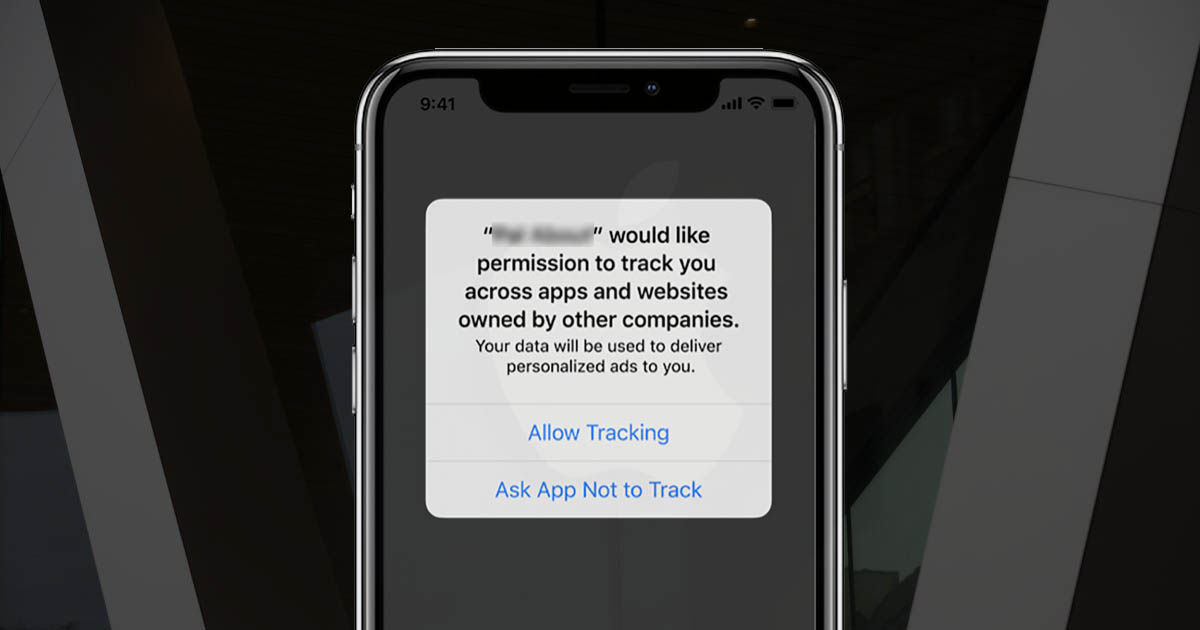
Italy has fined Apple €98.6 million over its App Tracking Transparency system, arguing that the consent requirements imposed on third party developers were more burdensome than those applied to Apple’s own apps. ATT was introduced in 2021 and forced apps to explicitly ask users whether they wanted to be tracked across other apps and websites. Until then, cross app tracking was the default behaviour of the mobile advertising ecosystem, largely invisible to users.
The economic impact was immediate. A large share of users opted out. Advertising models built around silent profiling lost effectiveness. Developers that relied heavily on targeted ads saw revenue decline, particularly smaller studios without alternative monetisation paths. Regulators have framed this outcome as a competition issue. Apple controls the platform, sets the rules, and participates in the advertising market. Those facts warrant scrutiny. Italy's decision protects the surveillance advertising status quo instead of user control.
Apple falls far short of privacy hero standards. The company collects plenty of data in other ways. ATT was different. It delivered a real user-focused move by forcing visible consent. The ruling reflects a broader tension in European tech regulation. Privacy protections are evaluated through the lens of market impact rather than user autonomy. Surveillance based advertising remains treated as an assumed baseline, with interventions judged by how disruptive they are to existing business models.
ATT did not eliminate tracking. It reduced one category of it inside a tightly controlled ecosystem. Tracking at the network level through IP addresses, fingerprinting, and data brokerage remains largely untouched by app level permissions. Platform controls are limited by design. They apply only within the boundaries of the platform and only to behaviours the platform chooses to regulate. They can be adjusted, narrowed, or reversed without user input.
Independent privacy tools operate outside those constraints. Network level protection reduces exposure regardless of which app is in use, which platform controls the device, or how advertising rules are rewritten. Apple benefits from its position and deserves examination for how privacy policies intersect with market power. At the same time, the introduction of ATT shifted user awareness in a way the advertising industry had avoided for years. For users, the lesson is consistent. Platform level privacy features are optional safeguards. Structural privacy still depends on reducing data exhaust at the network layer and limiting the information shared by default. From our perspective, regulatory action against a single implementation does not change the underlying landscape. Privacy remains something users have to actively enforce rather than assume is being handled on their behalf.
Blackout VPN exists because privacy is a right. Your first name is too much information for us.
Keep learning
FAQ
What is App Tracking Transparency
It is an Apple system introduced in 2021 that requires apps to ask users before tracking them across other apps and websites.
Why did Italy fine Apple
Authorities said Apple applied stricter consent requirements to third party apps than to its own services.
Did ATT ban advertising tracking
No. It limited cross app tracking within iOS while leaving network level and broker based tracking intact.
Who was most affected by ATT
Developers dependent on targeted advertising, especially smaller studios without subscriptions or in app purchases.
Do platform privacy features fully protect users
No. They operate only inside the platform and can be changed unilaterally by the platform owner.