
Microsoft’s December patch update landed with 56 fixes and three zero-days, one of which is actively exploited. But the most important bugs this month are not the Windows kernel issues. They are the flaws sitting inside AI coding assistants and IDE integrations. The attack chain has moved up the stack and the tools meant to help developers are becoming remote code execution surfaces.
AI IDEs Are Now Part of the Attack Chain
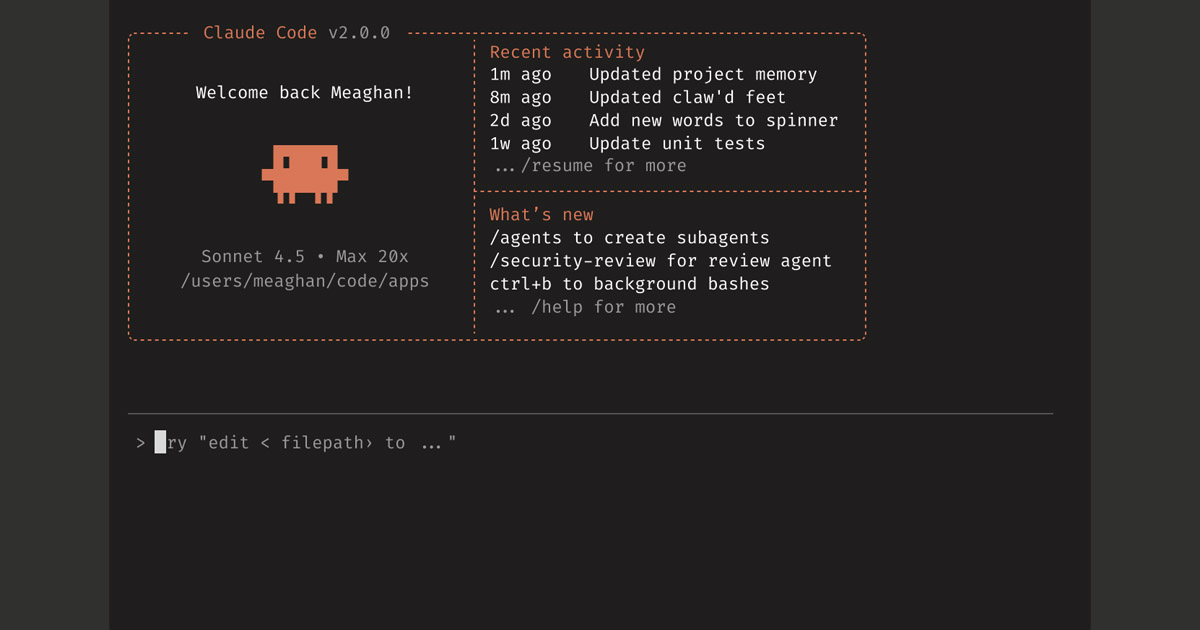
The CVE-2025-64671 vulnerability in GitHub Copilot for JetBrains is an RCE and proof-of-concept exploits are already public. Security researchers note this flaw is not isolated. Cursor, JetBrains Junie, Roo Code and Claude Code all share similar architectural problems. They expose an AI agent that can be manipulated through prompt injection and then given access to the underlying IDE layer. That bridge is the weak point. If the agent can be convinced to execute or modify commands, the attacker inherits the developer’s environment.
The Patch Shows a Structural Weakness
Microsoft fixed dozens of bugs this month but the relevant ones point to the same theme. AI integrations. PowerShell. Post-compromise privilege escalation. These are not random defects. They are symptoms of a system that is expanding faster than its security model can handle. 2025 is now the second consecutive year with 1,139 Microsoft CVEs. At that scale patching becomes reactive. The attack surface grows faster than it can be repaired.
Complexity Creates Surveillance Failures
AI coding tools sit in a privileged position. They read source code. They access project files. They touch build systems and terminals. This is the layer where a surveillance ecosystem collapses under its own complexity. Every added feature, every convenience function and every integration increases the number of places where code can cross boundaries it should not. Attackers do not need to break the kernel when they can compromise the tool that writes and executes your code.
Why PowerShell Still Scares Researchers
CVE-2025-54100 adds another remote code execution flaw to a tool that already sits at the center of both admin automation and offensive operations. The vulnerability lives in how PowerShell processes certain web responses. A crafted body can trigger command execution without authentication. The exploit path is simple and the blast radius is wide because PowerShell is everywhere. It is a reminder that critical infrastructure is often built on components that were never designed for hostile input.
Microsoft’s Zero Day Disclosure Problem
The only actively exploited flaw this month is CVE-2025-62221 in the Cloud Files Mini Filter Driver. Microsoft confirmed exploitation but provided no details about the attackers, the tactics or the scope. Defenders patch blind while adversaries already understand the weakness. This pattern repeats every month. The disclosure is technically complete but operationally useless.
Patch Fatigue Is Now a Security Risk
Security teams have remediated more than one thousand Microsoft vulnerabilities this year. They are tired. They are overloaded. Attackers know this. When AI IDEs, scripting layers and privilege escalation bugs all appear in the same patch cycle, the problem is not the individual CVEs. The problem is the scale. Modern patch management is now a race against a system that generates vulnerabilities faster than organisations can close them.
The rise of AI IDE attack chains is the clearest signal yet. If your development environment is not sandboxed, monitored and isolated, your AI assistant is part of your threat model now. Do not let a coding tool inherit permissions it cannot defend. And do not let an autocomplete agent anywhere near your C drive.
Blackout VPN exists because privacy is a right. Your first name is too much information for us.
Keep learning
FAQ
What makes AI IDE vulnerabilities dangerous
They sit between the AI agent and the underlying IDE. If the agent is manipulated, the attacker inherits access to the editor, files and execution layer.
Is the Copilot JetBrains flaw a one off
No. Researchers note similar structural weaknesses across multiple AI IDE tools including Cursor and Claude Code integrations.
Why is PowerShell RCE a major concern
PowerShell is heavily used in automation and offensive tooling. An unauthenticated RCE in its parser affects a huge number of systems.
What is the actively exploited zero day this month
CVE 2025 62221 in the Cloud Files Mini Filter Driver, a privilege escalation flaw now seen in the wild.
Why are Microsoft patch totals increasing
Growing complexity and expanding feature sets create more attack surface. The system produces vulnerabilities faster than defenders can remediate them.