
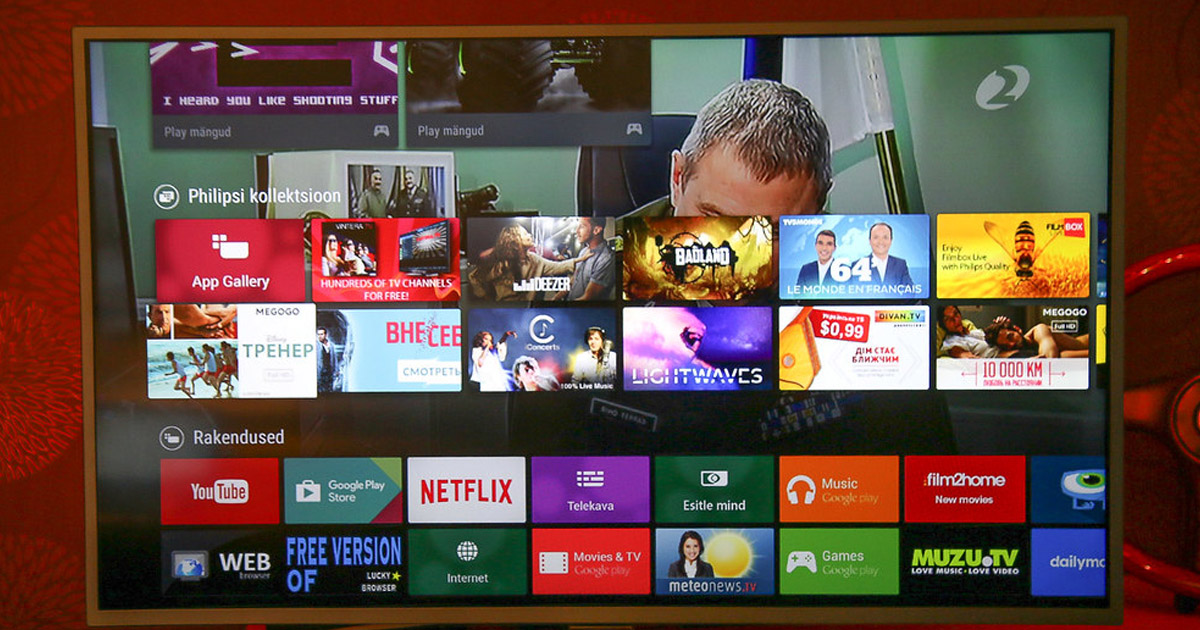
Texas has filed lawsuits against Sony, Samsung, LG, Hisense, and TCL for quietly harvesting what people watch inside their own homes. The cases target automated content recognition technology, known as ACR, that records viewing behavior in real time and monetizes it without clear, informed consent.
Attorney General Ken Paxton brought the suits under the Texas Deceptive Trade Practices Act, arguing that these companies systematically misled consumers about how their televisions collect and use data. The allegation is not subtle. Smart TV makers encouraged users to enable surveillance features while hiding meaningful explanations behind dense legal language most people would never read.
Consent on smart TVs is manufactured
According to the lawsuits, consumers were pushed to enable ACR during device setup through default settings and deceptive prompts. Any explanation of what ACR actually does was buried in vague disclosures that failed to explain the scope of data collection.
This is not informed consent. It is consent laundering.
When families buy a television, they expect it to display content. They do not expect it to catalog everything they watch and package that information for advertisers.
ACR is not about recommendations
Manufacturers often claim ACR exists to improve viewing recommendations. The lawsuits make clear that this is not the primary business model.
ACR allows companies to identify and log content displayed on a screen, including streaming video, broadcast television, and content mirrored from phones and laptops. That data is combined with identifiers and metadata and sold to advertisers and data brokers.
By 2021, Vizio publicly reported that more of its profit came from selling consumer data collected through ACR than from selling televisions. Surveillance became the product.
This industry was warned years ago
The lawsuits point to a clear precedent. In 2017, the Federal Trade Commission and the New Jersey Attorney General fined Vizio 2.2 million dollars for collecting viewing data on 11 million consumers without their knowledge or consent.
The lesson the industry took from that case was not to stop collecting data. It was to make the collection harder to notice.
Texas now alleges that Sony, Samsung, LG, Hisense, and TCL followed the same model. Capture first. Disclose later. Profit throughout.
Offline does not mean private
One of the most disturbing allegations is that ACR can continue collecting data even when a television is not connected to the internet.
The lawsuits state that data gathered while offline can be stored locally and transmitted later when the TV reconnects, including during firmware updates. Disconnecting a smart TV is not a reliable privacy defense.
ACR can also capture data from external devices connected via HDMI, Apple AirPlay, or Google Cast. That includes laptops, phones, security camera feeds, and private videos.
Smart TVs infer who you are
Texas alleges that ACR data is combined with other information to infer highly sensitive personal attributes. That includes race, sex, religious beliefs, and political views.
These attributes fall under protected categories in Texas privacy law and nearly every major privacy framework worldwide. Collecting and monetizing them without meaningful consent is not a technical oversight. It is unlawful.
This affects most households
According to the lawsuits, nearly three quarters of U.S. households have a smart TV equipped with ACR. This is not an edge case. It is mass surveillance deployed at the consumer electronics level.
When surveillance reaches this scale, the problem is not one bad company. It is an industry that normalized spying as a revenue stream.
Texas is drawing a line
Texas is not arguing that consumers failed to read fine print. It is arguing that the fine print was designed to obscure the truth.
If these cases succeed, they will establish that hiding surveillance behind default settings and legal jargon is deceptive by design. Until then, the safest assumption remains simple.
If your television is connected to the internet, it is collecting data about you.
Blackout VPN exists because privacy is a right. Your first name is too much information for us.
Keep learning
FAQ
What is automated content recognition
Automated content recognition is a technology that identifies and logs what appears on a TV screen in real time
Which companies are Texas suing
Texas has filed lawsuits against Sony, Samsung, LG, Hisense, and TCL
Can smart TVs collect data when offline
Yes, the lawsuits allege that data can be stored locally and uploaded later when the TV reconnects
Has this happened before
Yes, Vizio was fined in 2017 for collecting viewing data without consumer consent
How many households are affected
Texas estimates that nearly three quarters of U.S. households have smart TVs using ACR