
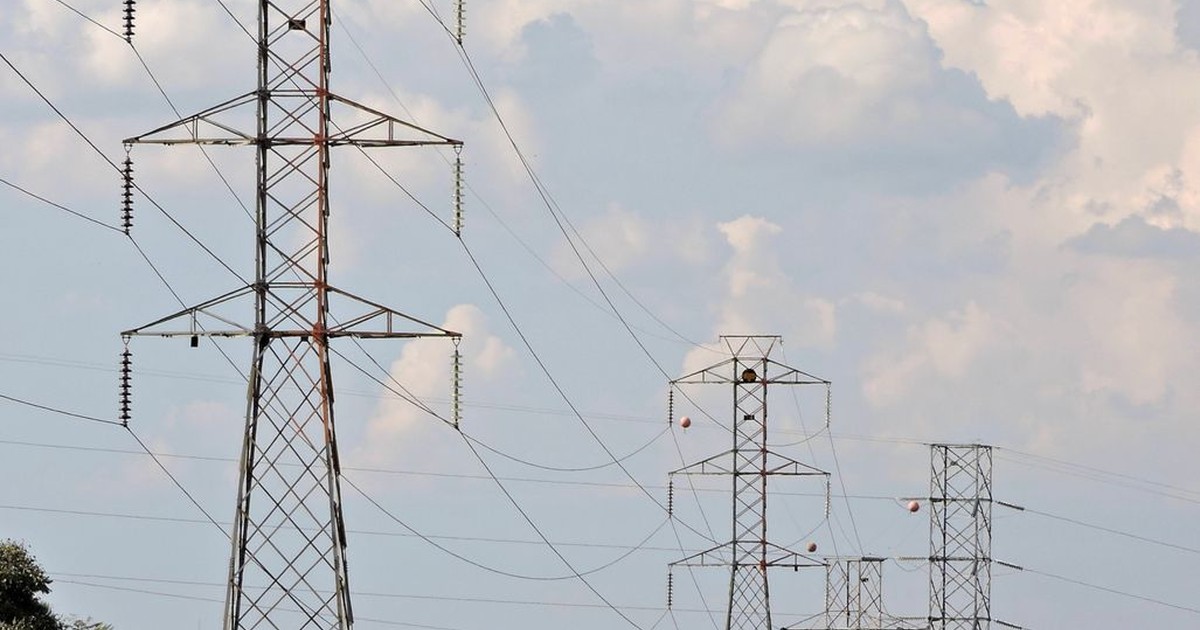
Origin Energy disclosed to the ASX on 22 July 2026 that it is investigating unauthorised access to customer data, with up to 4.8 million accounts potentially affected. The exposed data includes contact details, dates of birth and billing history. Origin says credit card and bank details were not involved. The company has notified the Australian Cyber Security Centre, the Australian Federal Police and the Office of the Australian Information Commissioner, and no threat actor had claimed the data at the time of reporting.
Strip out the corporate language and the shape is familiar. A company whose actual job is delivering electricity was sitting on names, birth dates and billing records for nearly five million people. None of that is required to move power down a wire. It accumulates because every Australian utility treats customer sign-up as an identity-collection exercise, and once the records exist they sit in one place and grow until someone reaches them.
Dates of birth are the part that matters here. A birth date does not expire, and it cannot be reset like a password. Combined with a name, address and billing history, it is exactly the material used to build convincing phishing and social engineering attacks against the same people whose accounts leaked. Arctic Wolf, quoted in the reporting, made the same point about stolen personal data staying valuable to criminals long after the incident. The investigation will close. The exposure will not.
Origin disclosed the incident to the market at 12:42 pm on 22 July, framing it as a potential security incident that may raise concerns. The framing points attention at the intrusion. It says nothing about the decision that made the intrusion worth something. The attacker was a problem for one afternoon. Origin built and kept the database deliberately, indefinitely.
This is the same failure that produced the Navia breach and the penalty against Australian Clinical Labs. An organisation collects identity data as a matter of routine, holds it far longer than any transaction requires, secures it well enough to pass an audit, and then loses it. The specific controls fail differently each time, but the underlying pattern repeats. Data that is collected can eventually be breached, and the only real protection is data that was never collected at all.
You cannot audit your way out of this by picking a better-run power company, because they all hoard the same way. What you can do is limit how much of your real identity is reachable everywhere else. The Origin records leaked once and are now permanent. Every other account tied to that same name and birth date is what turns one utility breach into a working profile.
Blackout VPN exists because privacy is a right. Your first name is too much information for us.
Keep learning
FAQ
What data did the Origin Energy breach expose
Origin says the exposed data includes contact details, dates of birth and billing history for up to 4.8 million accounts. Origin states credit card and bank details were not involved.
How did the Origin Energy breach happen
Origin has not disclosed how the unauthorised access occurred and says the investigation is ongoing. It notified the Australian Cyber Security Centre, the Australian Federal Police and the Office of the Australian Information Commissioner.
Why does an exposed date of birth matter
A date of birth cannot be changed after a leak, and combined with a name and billing history it is used to build targeted phishing and social engineering attacks. Its value to criminals does not fade after the breach.
Was money stolen in the Origin Energy breach
Origin states that credit card and bank details were not involved. The exposed data is identity and account information rather than payment credentials.
How do you reduce your exposure to breaches like this
You cannot control what a utility collects, but you can limit how much of your real identity is linked across other services. Data that is never collected in the first place cannot be stolen in a breach.