
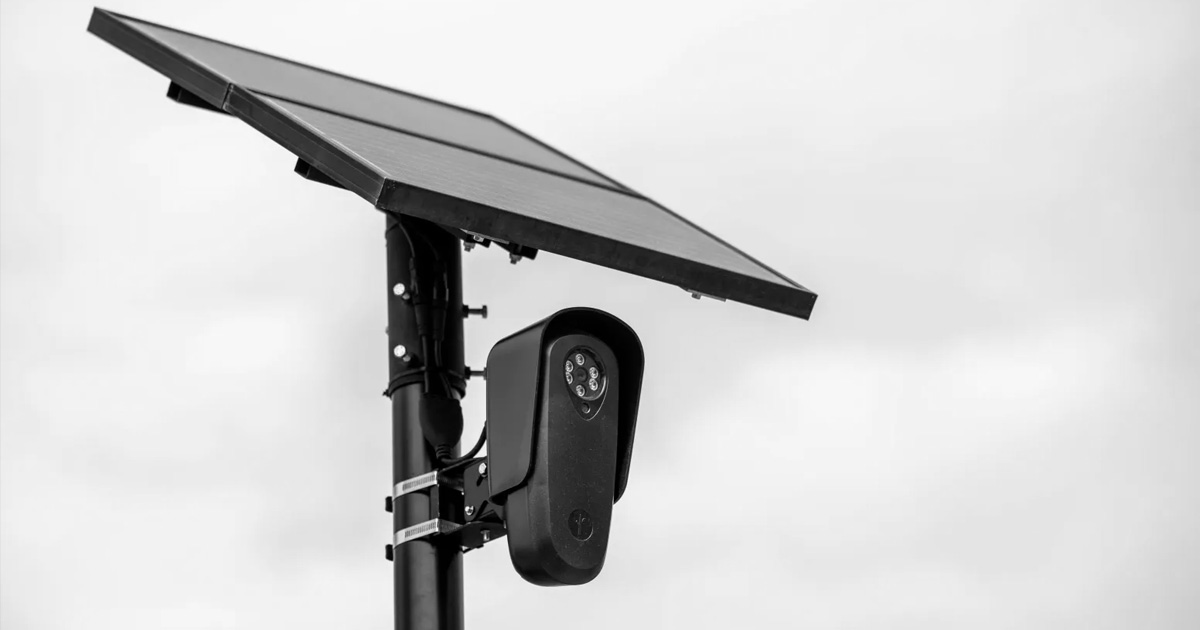
Police in Coffee County, Georgia used Flock automated license plate reader cameras to issue a traffic ticket to a motorcyclist for holding a cell phone while riding. The citation states "CAPTURED ON FLOCK CAMERA 31 MM 1 HOLDING PHONE IN LEFT HAND." This matters because Flock cameras are not designed for traffic enforcement and police departments across the country explicitly promise residents they will not use these cameras for minor violations. A Georgia State Patrol spokesperson told 404 Media the ticket was issued because of a "unique circumstance" where a Flock camera happened to capture a traffic infraction. The spokesperson said "This incident was a rare and unique circumstance where the captured image from the camera exposed an additional violation beyond the vehicle's expired registration. This situation does not reflect a standard enforcement endeavor by the Department of Public Safety." The traffic citation does not mention expired registration.
The City of Glenwood Springs, Colorado states in a FAQ that "GSPD does not use Flock cameras for traffic enforcement, parking enforcement, or minor code violations." El Paso, Texas tells residents "these are not traffic enforcement cameras. They do not issue tickets, do not monitor speed, and do not generate revenue. They are investigative tools used after crimes occur." Lynwood, Washington tells residents "these cameras will not be used for traffic infractions, immigration enforcement, or monitoring First Amendment-protected expressive activity." Flock cameras have been used for all of these purposes. Police departments promise surveillance cameras will only catch serious criminals. Then they use them to ticket someone for looking at their phone. This is how surveillance infrastructure works. The cameras get installed to solve murders and find missing children. Then they get used for whatever police want.
There are no meaningful limitations on what Flock cameras can be used for. Police do not get warrants to search Flock's network of cameras, either locally or nationwide. Network audits obtained via public records requests show police use Flock for all sorts of reasons. They often do not list any reason at all for searching a license plate. The surveillance always expands. Cameras sold as tools for solving serious crimes become tools for traffic enforcement. Systems promised for terrorism prevention become systems for tracking protesters. Databases built to catch child predators become databases police search without warrants for any reason or no reason at all.
You cannot surveil 99% of people to catch 1% of criminals without creating infrastructure that surveils everyone. Once that infrastructure exists, it gets used for everything. The promises made when installing surveillance cameras are not legally binding. They are marketing copy designed to reduce resistance to installation. After the cameras go up, the promises disappear. Flock cameras capture license plates, vehicle descriptions, and high-resolution images detailed enough to identify what someone is holding in their hand while riding a motorcycle. That data goes into searchable databases accessible to thousands of police departments. No warrants required. No limitations on use cases. No enforcement of the promises made to communities when the cameras were installed.
Georgia State Patrol called this a unique circumstance. Unique means it happened once. The citation proves the cameras have resolution and coverage sufficient for traffic enforcement. The databases prove police search plates without warrants or documented reasons. The promises prove police departments knew communities would resist surveillance cameras used for minor violations. The broken promises prove those assurances were always lies. Every surveillance system sold as narrowly targeted for serious threats expands to cover everyone for everything. License plate readers for solving murders become license plate readers for cell phone tickets. Facial recognition for finding terrorists becomes facial recognition for shoplifting. Data retention for child safety becomes data retention for anyone police feel like investigating.
The man cited in Georgia showed up in court and the ticket was dropped. The surveillance footage remains. The search remains in the database. The precedent remains that Flock cameras detailed enough to identify hand positions can be searched without warrants and used for any violation police decide to enforce. Police departments installed these cameras by promising they would not be used for traffic enforcement. Then they used them for traffic enforcement. The promises were lies. The surveillance infrastructure is permanent. The mission creep is inevitable.
Blackout VPN exists because privacy is a right. Your first name is too much information for us.
Keep learning
FAQ
What are Flock cameras?
Flock cameras are automated license plate readers that capture license plates, vehicle descriptions, and high-resolution images. The data goes into searchable databases accessible to thousands of police departments without warrants or documented search reasons.
What did police promise about Flock cameras?
Police departments across the country explicitly promise residents Flock cameras will not be used for traffic enforcement, parking violations, minor code violations, immigration enforcement, or monitoring First Amendment activity. Flock cameras have been used for all of these purposes.
What happened in Georgia?
Police in Coffee County, Georgia used Flock cameras to issue a traffic ticket to a motorcyclist for holding a cell phone while riding. The citation states "CAPTURED ON FLOCK CAMERA 31 MM 1 HOLDING PHONE IN LEFT HAND." The man showed up in court and the ticket was dropped.
Are there limitations on what Flock cameras can be used for?
No. There are no meaningful limitations on what Flock cameras can be used for. Police do not get warrants to search Flock's network and network audits show police often do not list any reason at all for searching a license plate.
Why does this matter?
Police departments promise surveillance cameras will only catch serious criminals then use them for minor violations. The promises made when installing surveillance cameras are marketing copy designed to reduce resistance. After installation, the promises disappear and the surveillance expands to cover everyone for everything.