
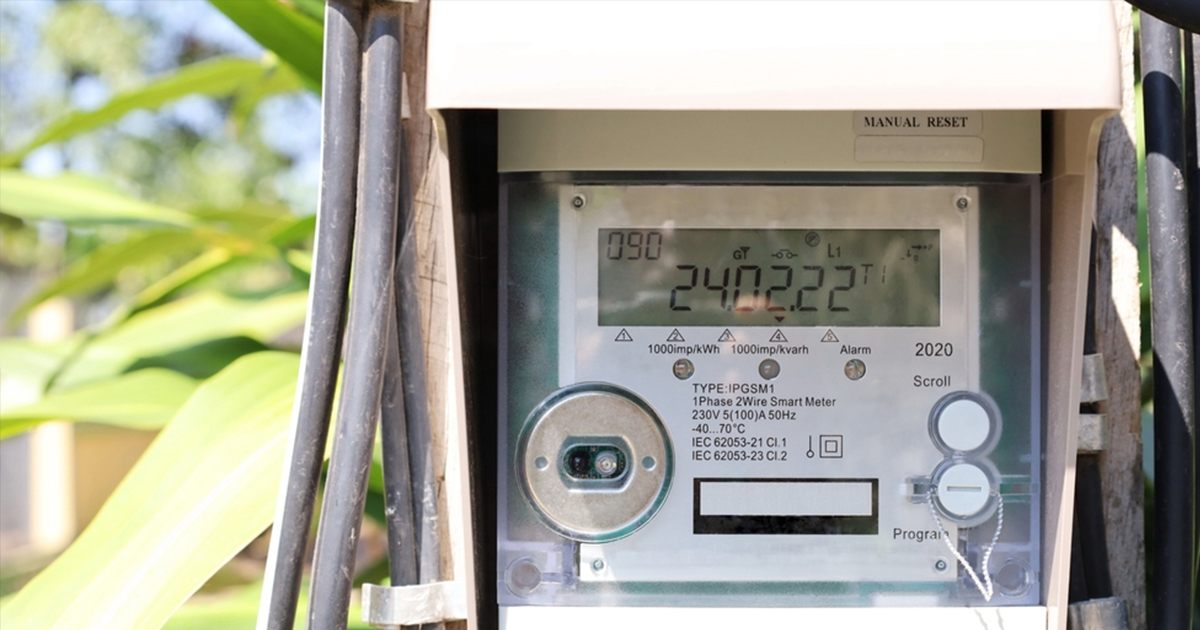
A California judge has ordered an end to a mass surveillance program that let Sacramento police sift through the electrical smart meter data of thousands of residents without suspicion. The Sacramento County Superior Court ruled that the program, run jointly by the Sacramento Municipal Utility District and local police, violated state privacy law. That law tightly restricts how utilities can share customers’ electrical usage data. For more than a decade, SMUD handed over detailed smart meter readings to police, who used them to hunt for suspected cannabis grows by scanning entire neighborhoods. EFF and its co counsel represented the Asian American Liberation Network, Khurshid Khoja, and Alfonso Nguyen. They argued that the dragnet harmed innocent residents, led to dangerous police encounters, and disproportionately targeted Sacramento’s Asian community.
The court agreed. It found that the program was not a legitimate investigation. Instead of pursuing specific crimes or suspects, police asked SMUD multiple times a year to search its entire database of 650,000 customers. SMUD then analyzed hourly energy data and sent police more than 33,000 high usage tips. The judge ruled that this violated SMUD’s duty to keep customer data confidential. Smart meter data is sensitive. It can reveal when you sleep, shower, leave home, and other intimate daily patterns. Turning 650,000 customers into suspects based on electricity usage crossed a clear legal line.
The court did dismiss a separate claim that the dragnet violated California’s constitutional protections against unreasonable searches. EFF disagrees with that part of the ruling, noting that SMUD still performed warrantless searches at police request and provided insights derived from granular home data. The takeaway for all California utilities is simple. They cannot share customer energy data with police without actual evidence that a crime took place. EFF brought the case with attorney Monty Agarwal of Vallejo, Antolin, Agarwal, Kanter LLP.
Blackout VPN exists because privacy is a right. Your first name is too much information for us.
Keep learning
FAQ
What did the judge decide
The court ruled that SMUD’s mass sharing of smart meter data with police violated state privacy law.
How long did the program run
It operated for more than a decade before being shut down.
How many customers were affected
All 650,000 SMUD customers were subject to suspicionless data scans.
Why is smart meter data sensitive
It reveals daily routines like sleep cycles, absences, and appliance usage.
What happens next
Utilities in California must stop sharing energy data with police unless a real crime is suspected.