
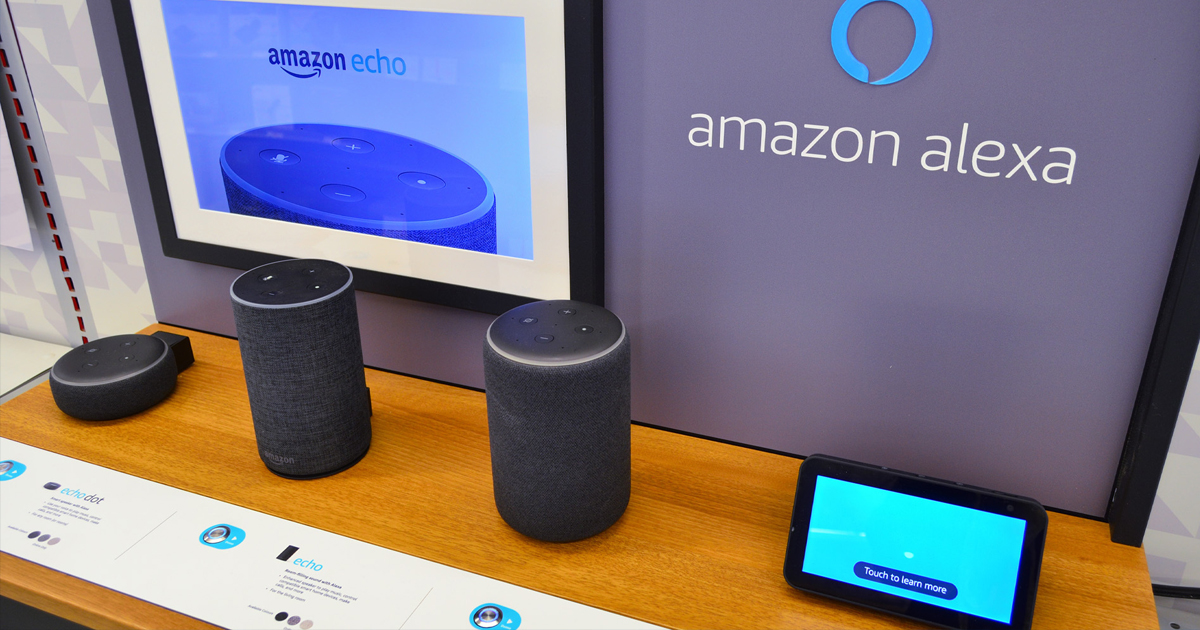
Smart speakers are the moment people stopped inviting friends over and started inviting corporations instead. You plug in a cylinder from Amazon or Google and from that second there is a live network microphone sitting in your private life. The ads show timers and playlists. The reality is an always on audio tap feeding two of the most data hungry companies on earth. Alexa and Google Assistant claim the mic only wakes when it hears the magic phrase, but in the real world it misfires constantly. Reviews of real recordings show plenty of clips where no one spoke to the device at all. The TV said something, someone mumbled in another room, and the assistant quietly uploaded it.
When safeguards fail completely it gets worse. Google shipped Home Mini units that recorded almost everything in the room until someone noticed. Amazon had Alexa capture a couple’s private conversation and send it to a random contact. They only found out because he called them in shock. Amazon blamed a cartoon chain of misheard commands, which only proves the point. One bug can turn an always on mic into a full wiretap. Every activation sends your words straight to Amazon or Google servers. Commands turn into stored audio, text, timestamps, device info and location. Amazon uses Alexa data to refine advertising. Google folds Assistant queries into the same behavioural profile that follows you across search and Android. They pretend raw audio is not used for targeting. What you said is what matters and that is exactly what they keep.
Deleting recordings is mostly theatre. You can scrub your history but the models, transcripts and metadata stay behind. Humans sit in the loop as well. For years both companies paid contractors to listen to snippets from people’s homes. Workers heard kids, arguments, sex, medical calls and private family moments, often captured by accident. None of this was stated clearly to users. It only surfaced when recordings leaked and reviewers spoke publicly. Google was forced to pause the program in Europe. Amazon kept going and buried an opt out in settings. Inside these systems your audio is only as safe as every staff member and tool involved. That is how a German customer received seventeen hundred recordings belonging to a stranger, and how a Google contractor walked out with over a thousand clips.
Legally the companies hide behind consent games. You tap through setup and accept a wall of text, and Amazon argues that this consent covers everyone in the room. Family, visitors, tradies, kids. If a normal person planted a mic like that they would be charged. At corporate scale it is treated as normal. Regulators lag far behind. Europe has issued some fines, the United States offers little more than headlines and settlements that barely matter. The most dangerous part is how normal it now feels. A decade ago always listening devices in kitchens and bedrooms sounded insane. Now entire families shout brand names into the air while a corporate voice sits quietly in every room. If you care about privacy this is where you stop pretending it is fine. Smart speakers are not helpers. They are networked sensors for surveillance capitalism. Unplugging them is the only real control you get.
Blackout VPN exists because privacy is a right. Your first name is too much information for us.
Keep learning
FAQ
Do smart speakers record when I do not use the wake word
Yes. False triggers happen often enough to be a real privacy risk.
Can Amazon or Google access recordings
Yes. Recordings are uploaded to their servers and stored for analysis.
Do humans review smart speaker audio
In the past they did and both companies only paused after public backlash.
Can smart speaker data be sent to police
Yes when a warrant is issued. Recordings have been used in investigations.
Is muting the mic enough
It reduces risk but does not change the fact that the device is built to listen.