
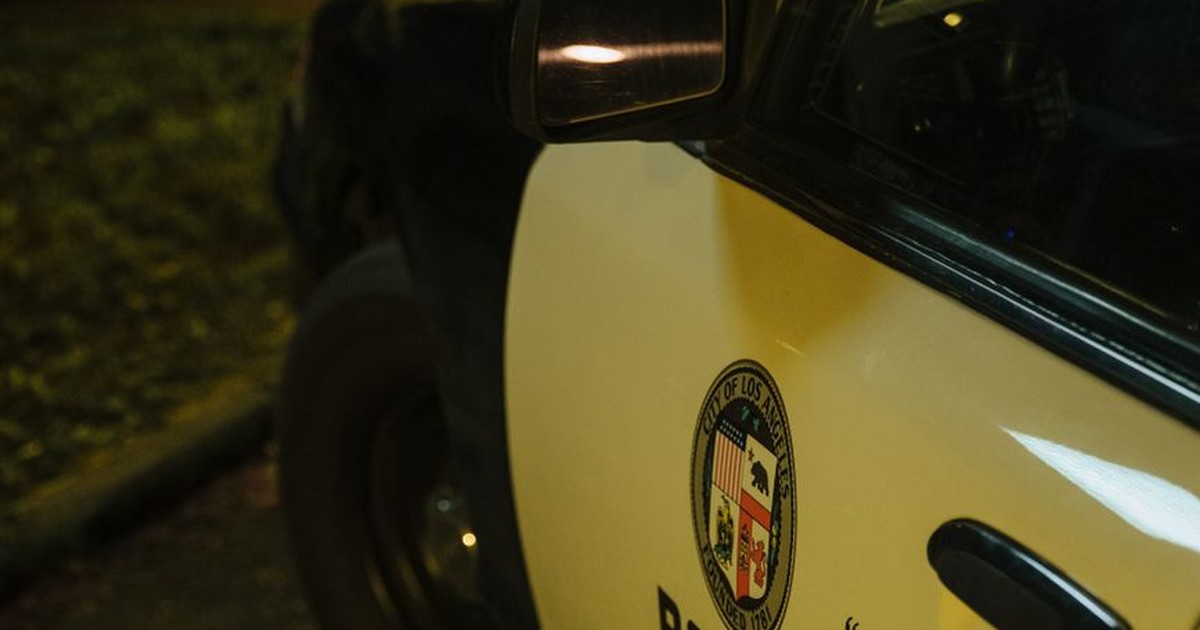
Between 1 August and 30 September 2025, the Los Angeles Police Department pulled over 161 people whose cars were not stolen. The plate readers said otherwise. The department's own Office of the Inspector General put it plainly in its audit. "During the review period, officers acknowledged 161 alerts as accurate license plate matches; however, subsequent investigations determined the vehicles were not stolen." The cameras read the plates correctly every time. The database behind them was wrong.
The mechanism is ordinary bookkeeping. A plate lands on a hot list when a car is reported stolen. When the car turns up, somebody has to take the plate off the list. Often nobody does. The OIG found alerts driven by inaccurate or outdated information, with plates left flagged after a stolen vehicle had already been recovered. LAPD's response blamed the timing of record updates outside the Department's control, pointing at other jurisdictions and at vehicle owners who had not cleared their own plates. A system that hands armed officers a verdict has no functioning process for withdrawing it.
The OIG described what an alert triggers. When a license plate matches a vehicle of interest on a hot list, an alert appears on the patrol car's Mobile Digital Computer, and officers will often approach with extreme caution or conduct a high-risk stop. That is the felony stop procedure. Department policy requires officers to try to verify an alert before stopping anyone, and the auditors noted that this often does not happen. So the machine says stolen, the officer believes it, and someone driving a car they own gets treated as a car thief on the side of the road.
Joel Feder, an editor at The Drive, was tracked for days and pulled over in Minnesota because of a clerical error in California. A 23-year-old woman spent 13 days in jail after police searched Flock for a vehicle resembling one in a fatal hit-and-run and her black Dodge Durango came back as a match. She had done nothing. The database was confident anyway.
LAPD ran close to 2,000 plate reader cameras and logged more than 210.5 million reads during the two month audit window. From all of it, 337 stolen cars recovered and 74 arrests. Every driver in Los Angeles was scanned, logged, and retained to produce a few hundred recoveries and 161 wrongful stops. That ratio is the actual product. Mass collection produces errors faster than anyone corrects them, and each error arrives at a traffic stop with a gun in it.
Blackout has been documenting this company since October 2025 and the pattern never changes. Flock built a private surveillance grid and sold it to neighbourhoods as safety. It shipped sensitive footage to cheap offshore labour while calling the system automated. It left cameras streaming playgrounds to the open internet. It used a children's gymnastics room as a sales demo and Dunwoody renewed the contract anyway. Georgia police promised the cameras were for murders and then used them to ticket a motorcyclist. The FBI put $36 million toward querying that network across all 50 states without a warrant. Last month Flock let its own police search logs get indexed by Bing. Ring walked away from the partnership in February after its users revolted.
LAPD has now let its Flock contract expire. The Inspector General recommended suspending new camera deployments and new contracts until the public gets a say, reassessing vendors and data practices, and tightening oversight of who reaches the data. A major American police department looked at its own numbers and stopped paying. That is the first real consequence Flock has faced from a customer rather than a journalist.
It took nine months of documented failures, an internal audit, and 161 people stopped for crimes that never happened. The cameras stayed up the whole time. Everything they recorded about everyone who drove past is still recorded, and the departments still running them have the same stale lists, the same skipped verification step, and the same vendor telling them the car in front of them is stolen.
Blackout VPN exists because privacy is a right. Your first name is too much information for us.
Keep learning
FAQ
What did the LAPD Inspector General actually find?
That officers acted on 161 plate reader alerts between 1 August and 30 September 2025 where the vehicles turned out not to be stolen. The plates were read correctly but the hot list data was outdated.
Why do license plate readers flag cars that are not stolen?
Plates stay on stolen vehicle hot lists after the cars are recovered because nobody removes them. The reader matches the plate accurately and the stale record supplies the accusation.
What is a high-risk stop?
The felony stop procedure police use when they believe the occupants are dangerous. LAPD policy says officers should verify an alert first, and the audit found that step is often skipped.
Did LAPD cancel its contract with Flock?
LAPD allowed the contract to expire in July 2026 rather than renewing it. The Inspector General also recommended no new ALPR cameras or contracts until the public is consulted.
Does a VPN protect against license plate readers?
No. Plate readers capture your physical movements and no network tool changes that. Any system that collects everything and acts on it without verification produces the same wrongful stops.